Rollenkostüm
Julius Caesar
22.12.1907 | Wien Burgtheater
Mehrteiliges Kostümensemble Graues Kleid in Form einer Tunika aus Woll-Köper mit Applikationen und Tambourierstickerei, Umhang aus Woll-Köper mit Applikationen und Tambourierstickerei silberne Bindekordel mit Quaste Fragment eines Metallgürtels Einen großen Teil des Stückes in Rom, nachher zu Sardes und bei Philippi, Zeit 44-41 v.Chr.
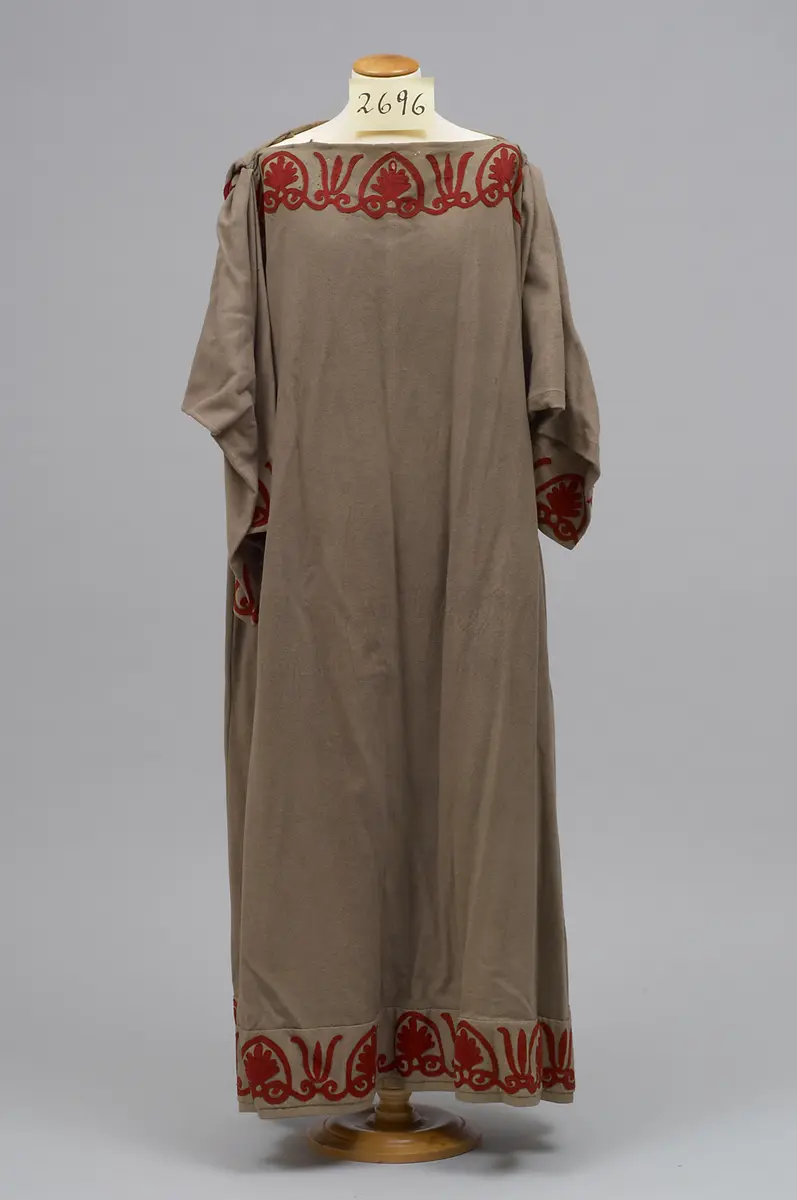


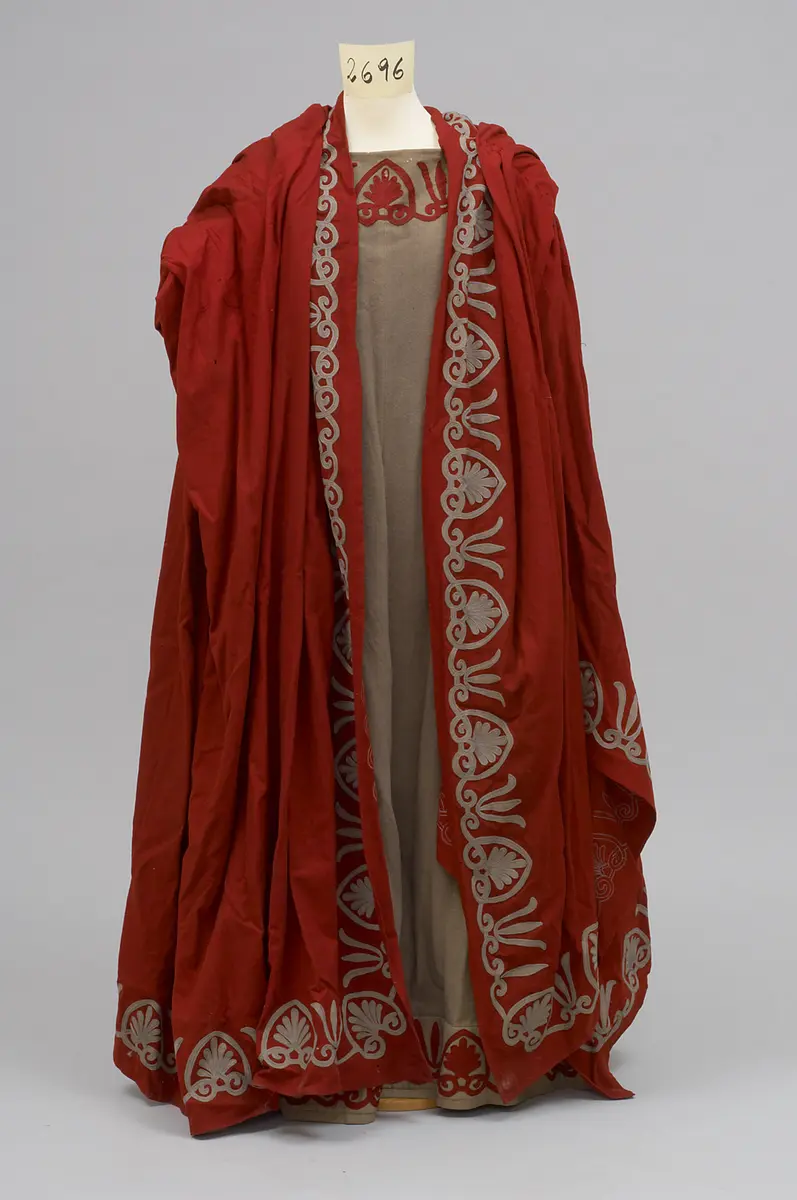
Mehrteiliges Kostümensemble Graues Kleid in Form einer Tunika aus Woll-Köper mit Applikationen und Tambourierstickerei, Umhang aus Woll-Köper mit Applikationen und Tambourierstickerei silberne Bindekordel mit Quaste Fragment eines Metallgürtels Einen großen Teil des Stückes in Rom, nachher zu Sardes und bei Philippi, Zeit 44-41 v.Chr.
Time:
22.12.1907
Venue:
Wien\Burgtheater
worn by:
Max Devrient (als Julius Caesar) (1857 Hannover - 1929 Chur/Schweiz) DNB
Object Name
Rollenkostüm
Invs.
KS_O_2696
Copyright
Theatermuseum, Wien
Browse more
Similar items you might be interested in

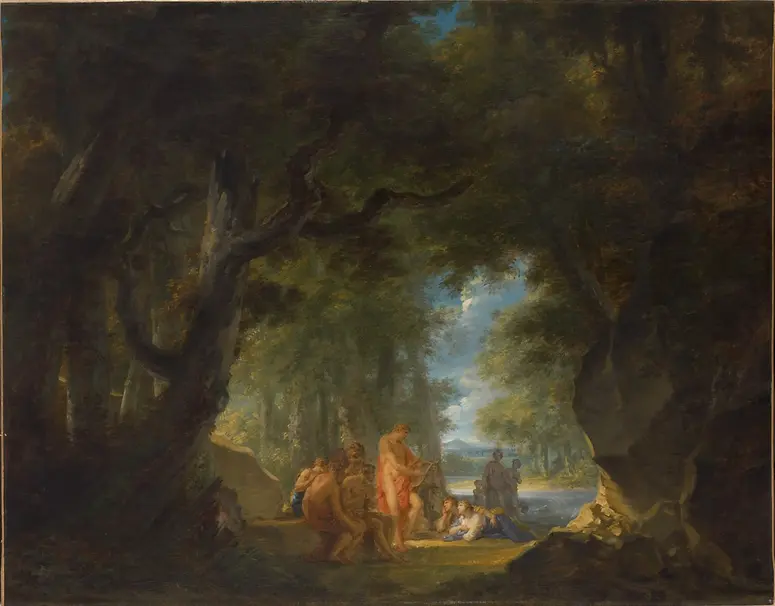
Vorhangentwurf - Apoll unter den Hirten k.k. Hofburgtheater, Michaelerplatz o. J. (um 1794)
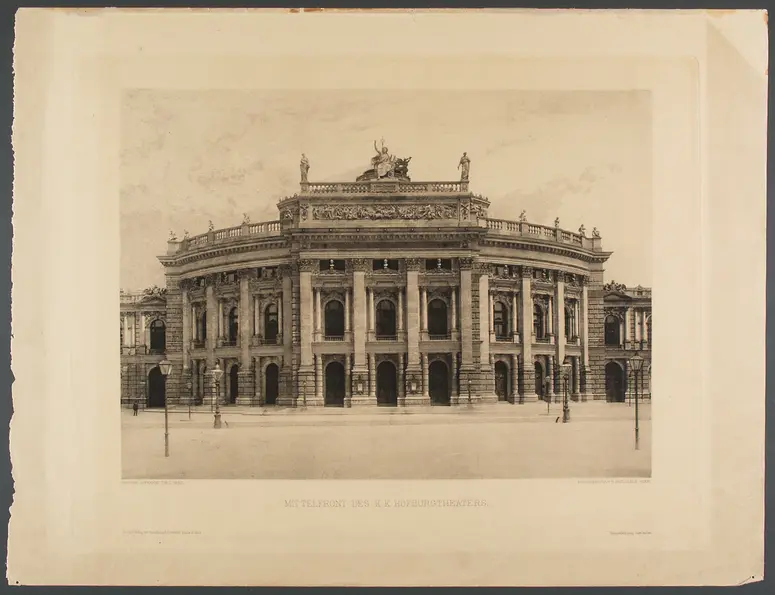
Wien, Burgtheater, Titel in Vorlageform: Mittelfront des k.k. Hofburgtheaters Carl Grail 1894
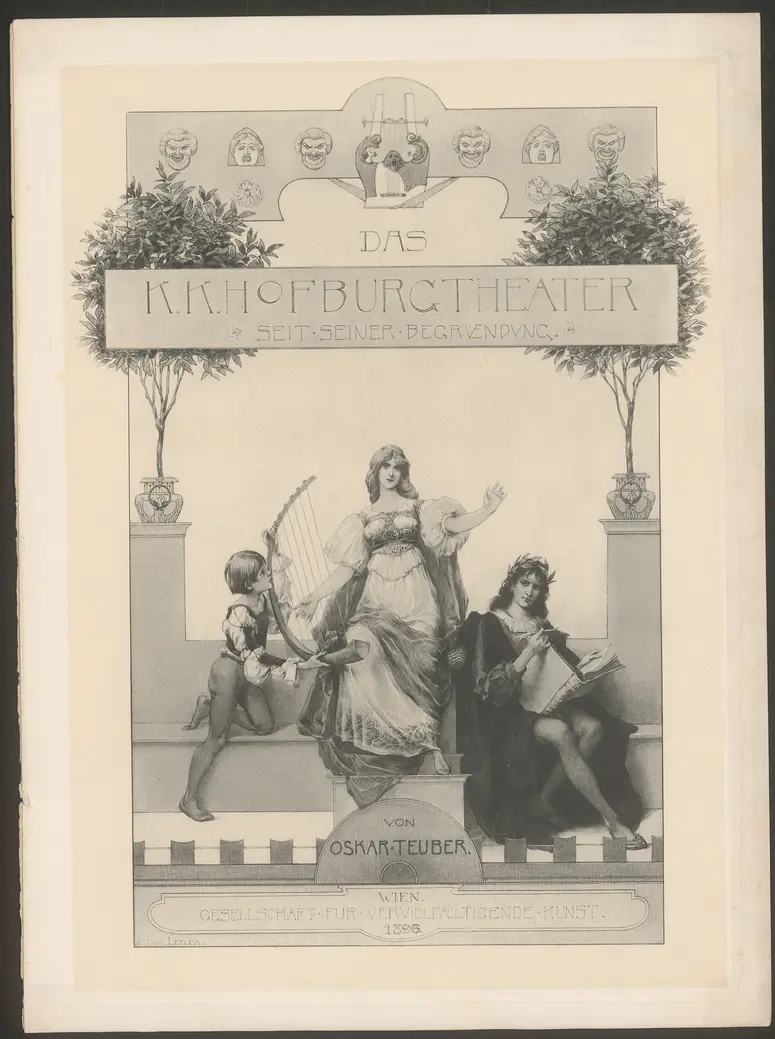
Wien, Burgtheater, Titel in Vorlageform: Das K.K. Hofburgtheater seit seiner Begründung Heinrich Lefler 1896